Introduction
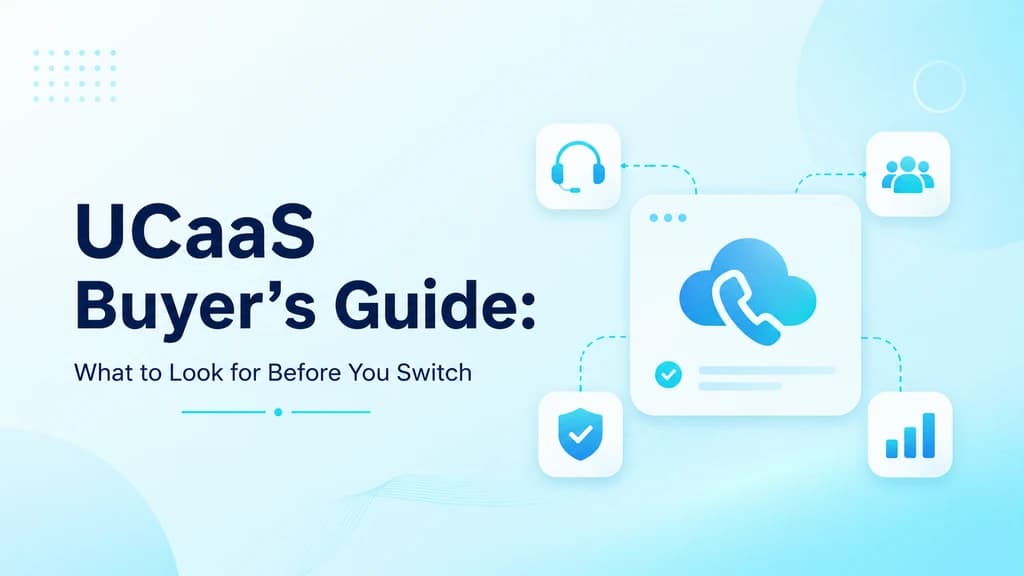
Are you still running your business on an old phone system? Maybe it was built for one office and a few desk phones. This guide will change how you shop for what comes next. Moving to UCaaS is not just a tech upgrade. It is a choice that touches every team. It affects anyone who picks up a call, joins a meeting, or texts a customer. Before you sign with a new provider, learn what makes a platform truly strong. Some platforms just look good in a sales demo. You want more than that.
Why So Many Teams Are Rethinking Their Phone System
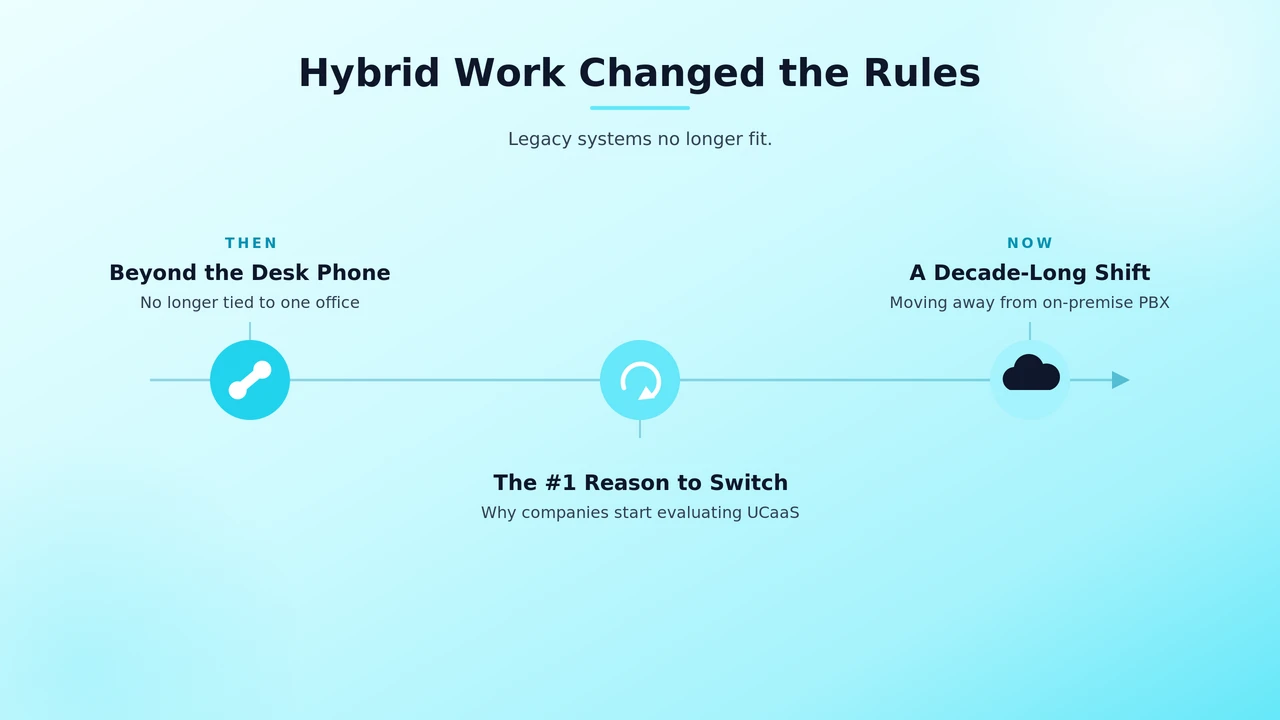
Hybrid and remote work changed what teams need from their tools. A phone tied to one desk no longer fits how most teams work today. That gap is the main reason firms start to look at UCaaS. The move away from old PBX hardware has grown for over a decade. It shows no sign of slowing down.
The market backs this up. Analysts have tracked strong growth in cloud spending for years. Businesses want voice, video, chat, and support tools to work as one. They do not want separate tools from separate vendors. That is what a well-built UCaaS platform should give you.
Reliability and Uptime Should Top Your Checklist
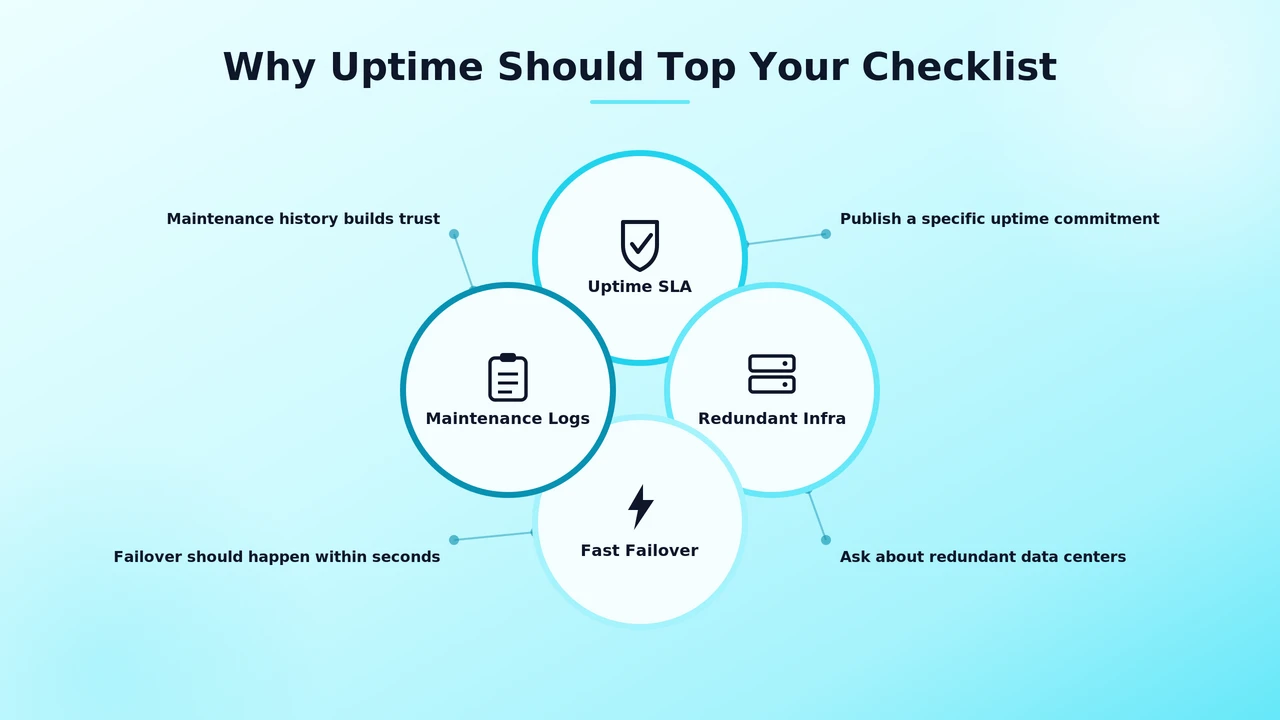
Before you compare features, look hard at uptime. A phone system that goes down during work hours does real harm. It is not just a hassle for staff. It costs real money. It hurts trust the moment a call drops. Any good vendor should share a clear uptime number. Watch out for soft phrases like "high availability" with no real figure behind them.
Ask providers how they handle outages in a region. Do they run backup data centers? What do they owe you if they miss their promise? A strong UCaaS provider will answer all three with ease. Vague answers here are a big warning sign.
Ask how failover really works, too. Some providers take a while to notice an issue and reroute calls. Others switch over in seconds. That gap rarely shows up in a sales pitch. But it matters a lot the first time an outage hits.
Ask how a provider handles planned maintenance as well. Even small updates can break service if they are not planned well. Ask for a maintenance log or past incident record if one exists. That record often tells you more than any sales page ever could.
Look Beyond Voice: Messaging, Video, and Integrations
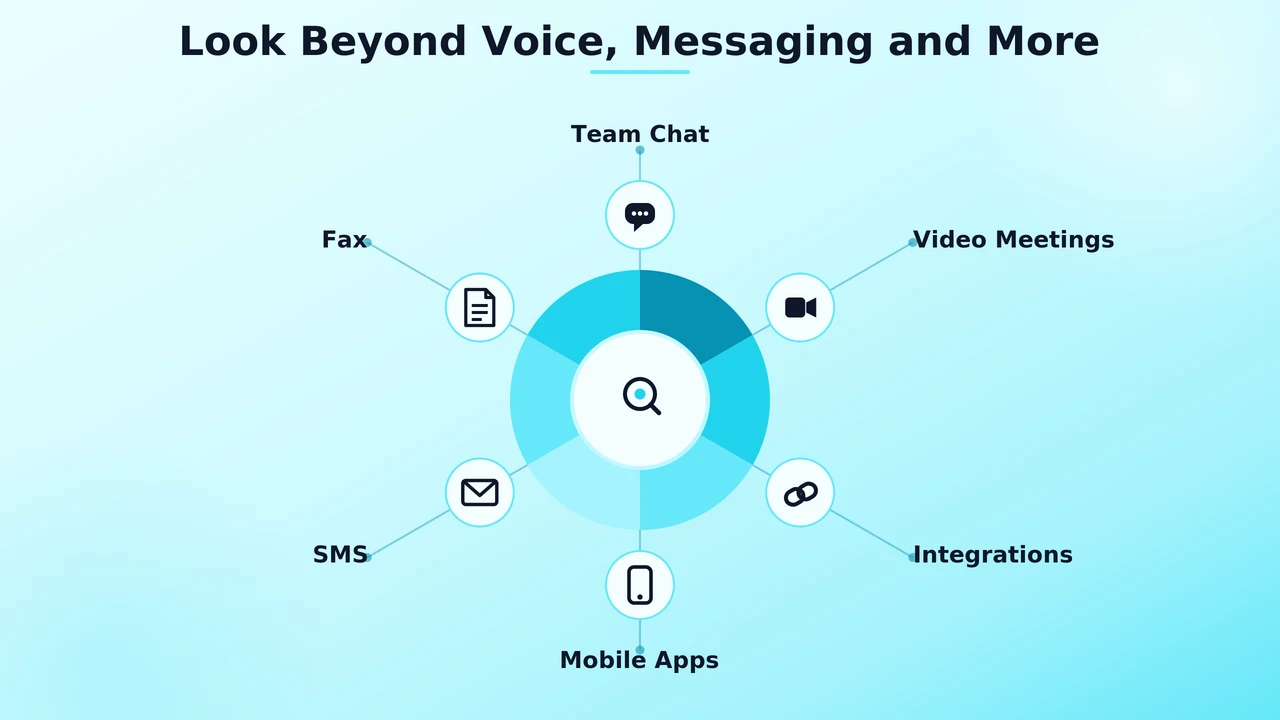
The best UCaaS platforms offer more than just calls. Chat, video meetings, texting, and fax should live under one login. You should not need extra tools or messy workarounds. If a provider treats chat or video as an afterthought, that is a red flag. It means the platform was not built to work as one true system.
Look closely at integrations, too. Your phone system should link to the CRM, help desk, and booking tools your team already uses. You should not need extra software just to log a call. Rozper's business phone system page shows the kind of deep, built-in links worth expecting from any strong cloud platform.
Mobile apps matter just as much as desktop tools. Field staff, sales reps, and traveling leaders need the same call quality on their phone as they get at their desk. Many platforms still treat their mobile app as an afterthought.
Ask if the mobile app has full call transfer, voicemail-to-text, and team status updates. Do not settle for plain dialing alone. Some vendors save their best mobile features for pricier plans. Check that every plan you look at offers the same core features.
Questions to Ask About Global Reach and Scalability
If you serve customers outside your home country, or plan to soon, ask which countries a provider covers with local numbers. Find out if their carrier links run direct or through resold networks. This gap can affect both call quality and price more than most buyers expect.
Call quality abroad often varies more between vendors than local call quality does. It depends on how many hops a call takes between networks before it lands. A provider with direct links in your target countries will often beat one that resells capacity. This holds true even if both list the same countries on a map.
Growth matters even if you never plan to go global. A good provider should let you add or drop seats within one billing cycle. You should not need a new deal every time your headcount shifts a little. Ask how costs change as you grow from ten seats to a hundred. Some vendors quietly raise per-seat costs at higher tiers instead of giving you the discount you would expect.
Common Mistakes Businesses Make When Switching UCaaS Platforms
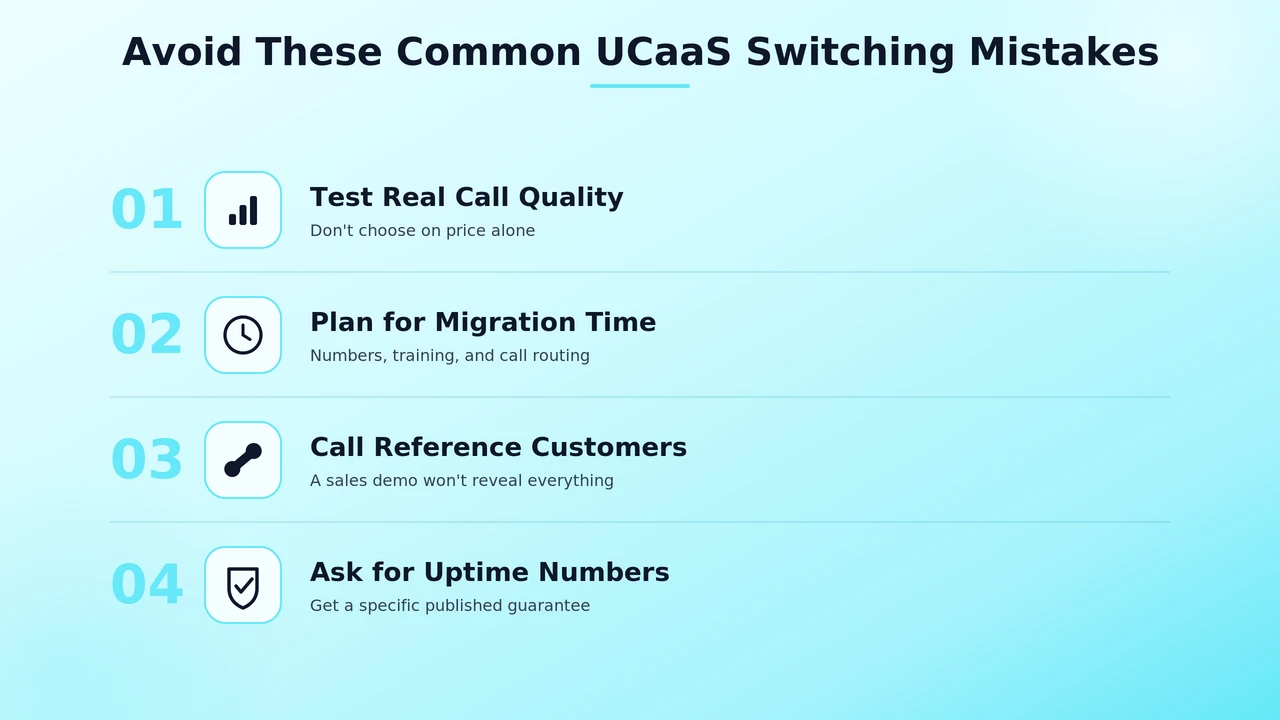
The top mistake is picking a provider on price alone. Many buyers skip testing call quality on their real network. A cheap plan that drops calls during a client pitch costs far more than it saves. Always run a trial period on your own office network before you commit.
Another common slip is rushing the move timeline. Porting old numbers, training staff, and setting up call routing all take more time than most vendors admit. Build in extra buffer time before you plan to fully switch over. Keep your old lines live until the new setup proves itself under real traffic.
Rozper takes a different path here. It sets up local and virtual numbers in over 150 countries. It backs this with 99.999% uptime and real human support, not just a chat bot. That mix is worth weighing against any other provider on your list. Not every UCaaS platform backs its uptime claims with a clear published number.
Skipping calls with a vendor's current customers is another mistake. A sales team will always paint their platform in the best light. But a short call with a real customer in your field often reveals issues a demo never shows.
Evaluating Vendor Support and Contract Terms
Support quality matters most exactly when things break. That makes it one of the hardest things to judge before you sign. Ask what channels exist for urgent issues. Ask what response time they promise in writing. Find out if support staff work for the vendor or for an outside firm. TechTarget's overview of unified communications platforms is a solid place to start. It explains how the field is defined and what buyers should expect as standard.
Contract terms deserve as much care as the tech itself. Look closely at auto-renewal clauses and early exit fees. Check if pricing stays locked for the full term or rises each year. A month-to-month plan, even at a slightly higher cost, can be worth the freedom if you are still unsure about a vendor.
Conclusion
Picking the right UCaaS platform comes down to testing claims, not trusting sales copy. This covers uptime, integration depth, support speed, and contract terms. The firms that end up happy with their switch almost always ran a real trial. They asked sharp questions about failover and growth. They talked to real customers first. Take the time up front. The platform you choose should grow with your business, not hold it back.
FAQs
How long does switching to a new UCaaS platform typically take?
Most moves take two to six weeks. It depends on company size, number porting time, and how much staff training is needed.
Is UCaaS more affordable than a traditional phone system long-term?
Usually, yes. Cloud pricing cuts out hardware upkeep and on-site PBX costs. Your real savings still depend on your usage and seat count.
What uptime should a business expect from a UCaaS provider?
Look for a clear published number, ideally 99.99% or higher. Skip vague talk about reliability with no real figure behind it.
Can a small business benefit from UCaaS, or is it mainly for enterprises?
Small firms often see the biggest gain. Cloud pricing removes the upfront hardware cost that once made advanced phone features too pricey at a small scale.
What's the biggest red flag when evaluating a UCaaS provider?
Vague answers about uptime, failover, or support speed are the clearest sign a provider is not ready to back its claims in writing.
Do UCaaS platforms work well for fully remote teams?
Yes. Everything runs through an app, not physical desk gear. Remote and spread-out teams are often the best fit for a cloud phone platform.