Introduction
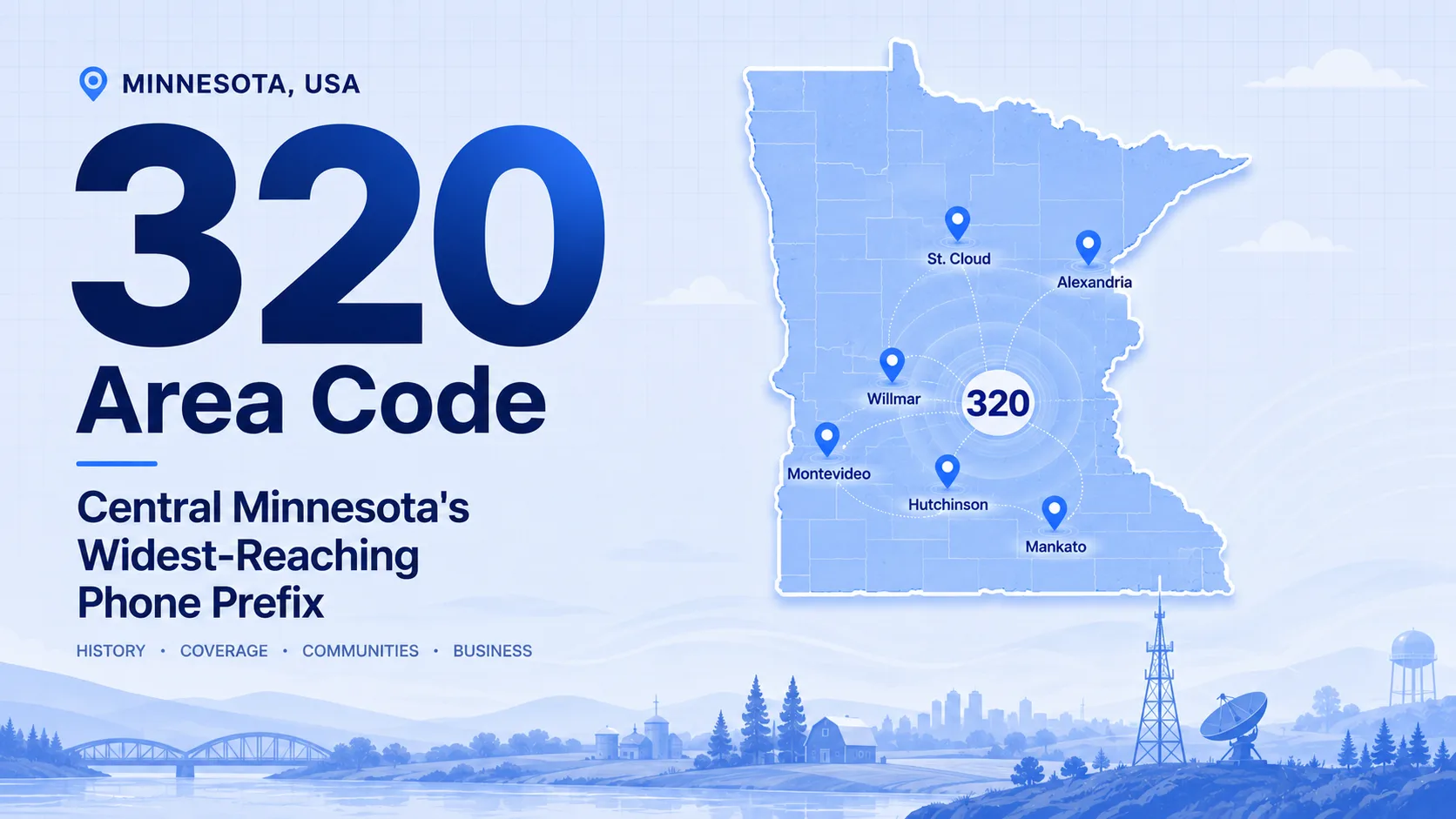
The 320 area code identifies phone numbers across central and west-central Minnesota, and this guide breaks down exactly which cities, counties, and towns it reaches. Knowing whether a call is genuinely local — or whether your own business sounds local to a 320 customer — matters more than most callers realize. You'll learn where the 320 area code came from, why it covers more Minnesota communities than any other prefix, and how to get a local number here even if your team isn't based in the state. By the end, you'll know exactly how this prefix works and why it still has room most older area codes ran out of years ago.
Key Takeaways:
- The 320 area code covers 148 cities and 29 counties across central and west-central Minnesota — more communities than any other prefix in the state.
- It was created in 1996 when the original 612 area code split, making it the fourth area code issued in Minnesota's history.
- Unlike several neighboring prefixes, the 320 area code has never needed an overlay, so it still has open number capacity today.
- Businesses can activate a local 320 number through Rozper without opening an office anywhere in the state.
148 Cities, One Prefix: The Reach of the 320 Area Code
The 320 area code spans 148 cities, 29 counties, and roughly 211 zip codes, making it the broadest-reaching prefix Minnesota has ever issued. It stretches from the Twin Cities' western suburbs out through the lakes region and into the state's farmland, sitting between the 218 area code to the north and the 507 area code to the south.
- St. Cloud — Stearns and Benton Counties, the largest city in the 320 footprint
- Willmar — Kandiyohi County, a regional hub for west-central Minnesota
- Alexandria — Douglas County, known for its chain of recreational lakes
- Hutchinson — McLeod County, home to a major agricultural manufacturing base
- Elk River and Sauk Rapids — fast-growing communities on the edge of the Twin Cities metro
- Fergus Falls — Otter Tail County, anchoring the westernmost edge of the territory
The 1996 Split That Gave Central Minnesota Its Own Line
Before 1996, every phone number in Minnesota outside the 507 and 218 regions carried the 612 area code — a single prefix stretched across the entire Twin Cities metro and everything north and west of it. Rapid growth in pagers, fax lines, and early cell phones drained that supply fast.
Why the Split Happened
NANPA split off the 320 area code on March 17, 1996, carving out the central and west-central portion of the state so 612 could keep serving the Twin Cities alone. It was the fourth area code Minnesota had ever received, and the first new one issued in 42 years.
What Changed for Callers
Anyone with an existing central Minnesota number kept their same seven digits — only the three-digit prefix in front changed, with a permissive dialing window that let both codes work through September of that year.
Is a Call From the 320 Area Code Safe to Answer?
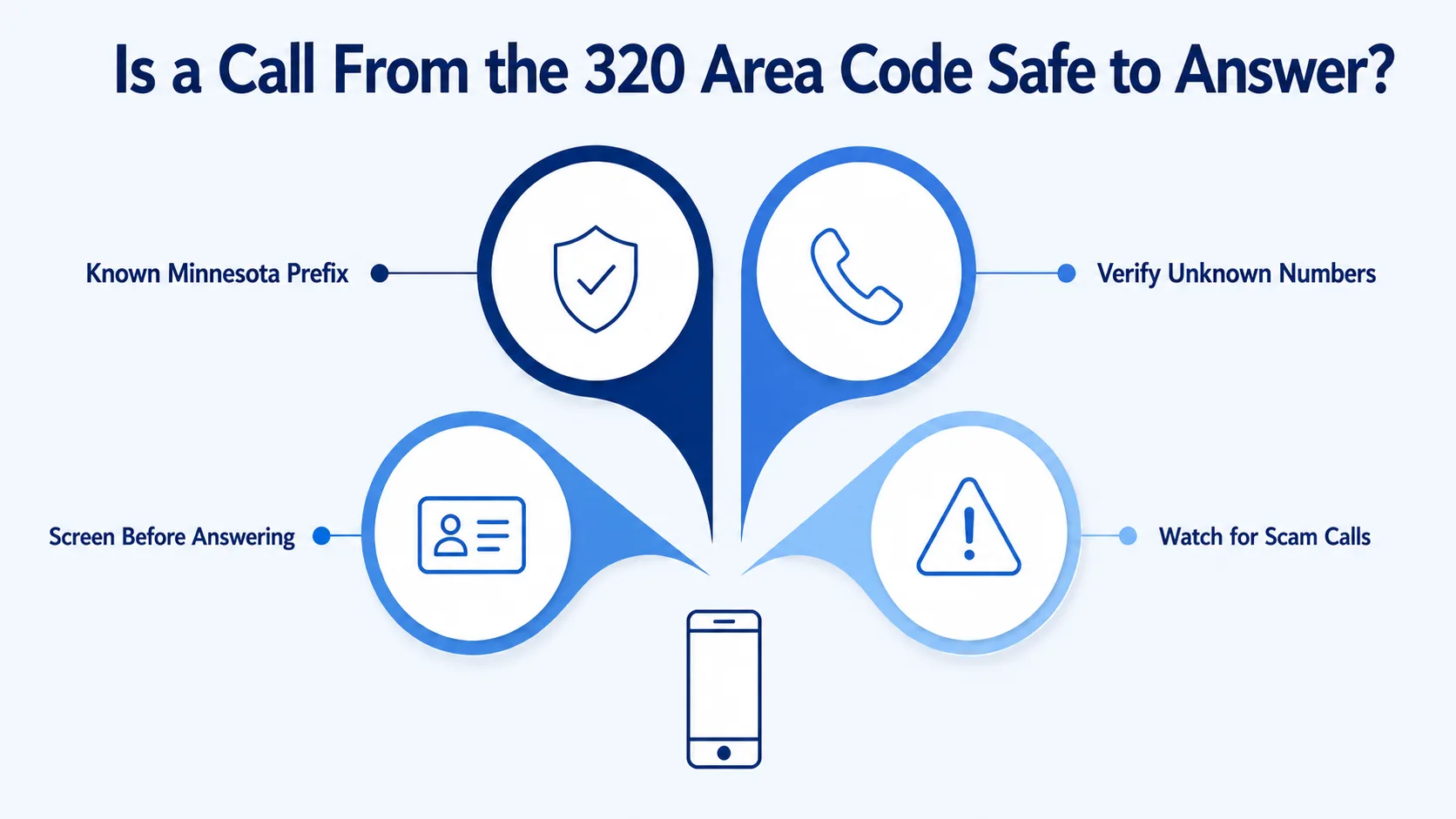
A 320 number by itself tells you nothing dangerous — it simply means the call is registered somewhere in central Minnesota. Most calls from this prefix come from real local businesses, schools, clinics, and neighbors, not scammers. Like any area code, though, it can be spoofed by robocallers who want to look local to increase the odds you'll pick up. The safest approach is the same one that works everywhere: if you don't recognize the number, let it go to voicemail and call back through a verified listing if it seems important.
St. Cloud vs. the Smaller Towns Sharing the Same Code
St. Cloud anchors the 320 area code, but it's far from the only market that matters inside it. The prefix ties together one true regional center and dozens of smaller economies that each behave differently for a business trying to reach them.
- St. Cloud carries the population density, retail traffic, and healthcare systems of a true metro anchor
- Willmar and Hutchinson function as agricultural and manufacturing hubs with their own loyal customer bases
- Alexandria's economy leans heavily on seasonal tourism tied to its lakes
- Smaller towns like Sauk Centre and Melrose rely on word-of-mouth trust more than paid advertising
- A single 320 number can serve all of these markets without signaling which town a business actually sits in
Setting Up a Local 320 Presence Without Moving to Minnesota
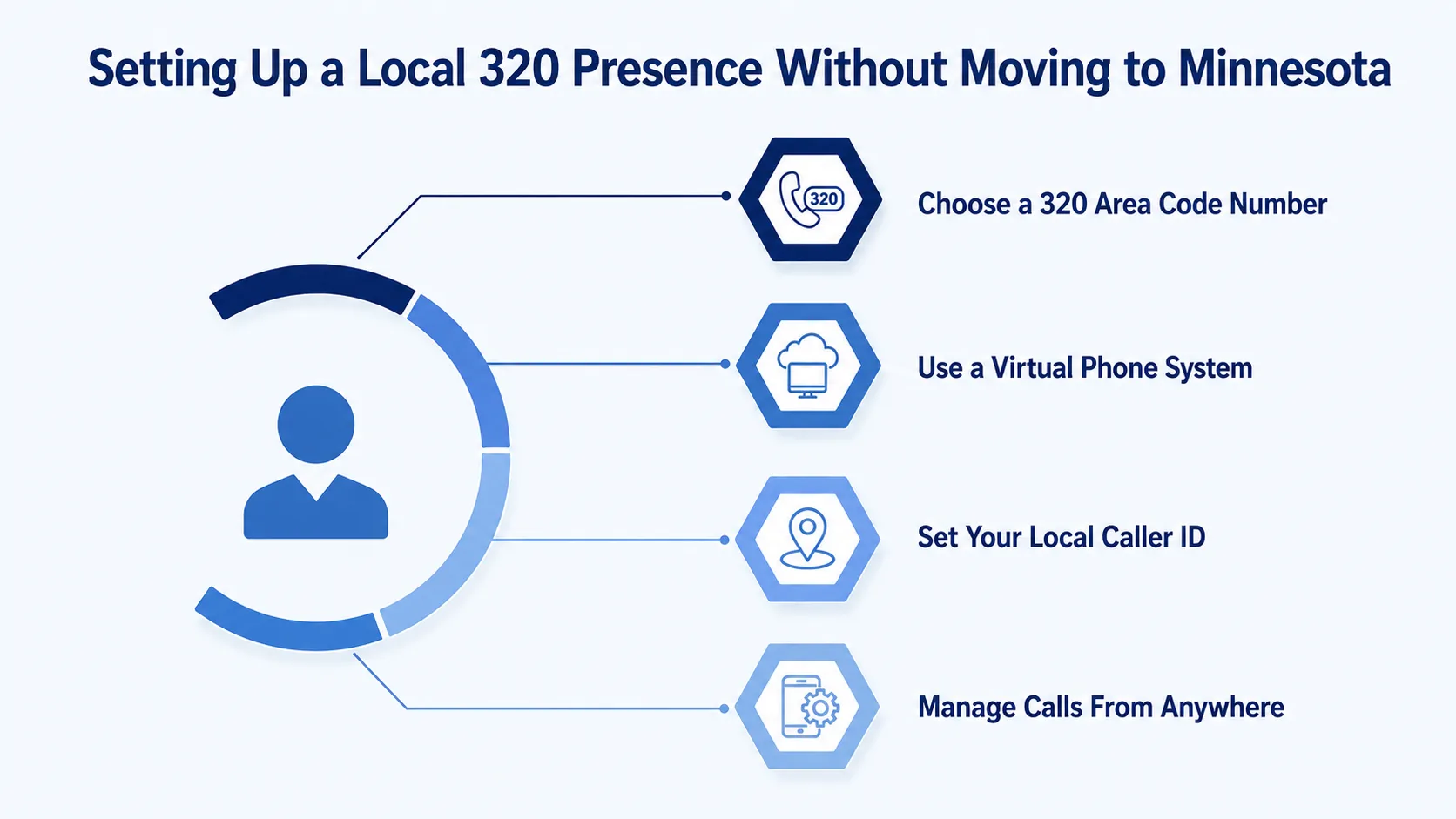
Reaching central Minnesota customers doesn't require a lease on Division Street in St. Cloud. Businesses build a credible local presence with a repeatable setup process instead.
- Pick the towns that matter most — a business chasing both St. Cloud and Alexandria customers may want to test more than one local number.
- Route every 320 call to your existing team, regardless of where that team physically sits.
- Set voicemail and business hours to match Central Time expectations for the region.
- Review call volume by number to see which central Minnesota markets are actually converting.
Rozper handles each of these steps without new hardware, letting calls to a 320 number land wherever your team already works.
The Mistake Businesses Make When They Ignore Local Area Codes
Plenty of companies expand into new territory and simply forward existing calls through a national or out-of-state line, assuming customers won't notice. That's a costly assumption in a region like this one.
- Unfamiliar area codes get ignored or sent straight to voicemail far more often than local ones
- A 320 number signals real familiarity with the region, not a call center guessing at it
- Directory listings and local marketing stay consistent when the number matches the market
- Skipping a local prefix quietly caps answer rates before a single conversation even starts
Why 320 Has Room to Grow When Other Codes Don't
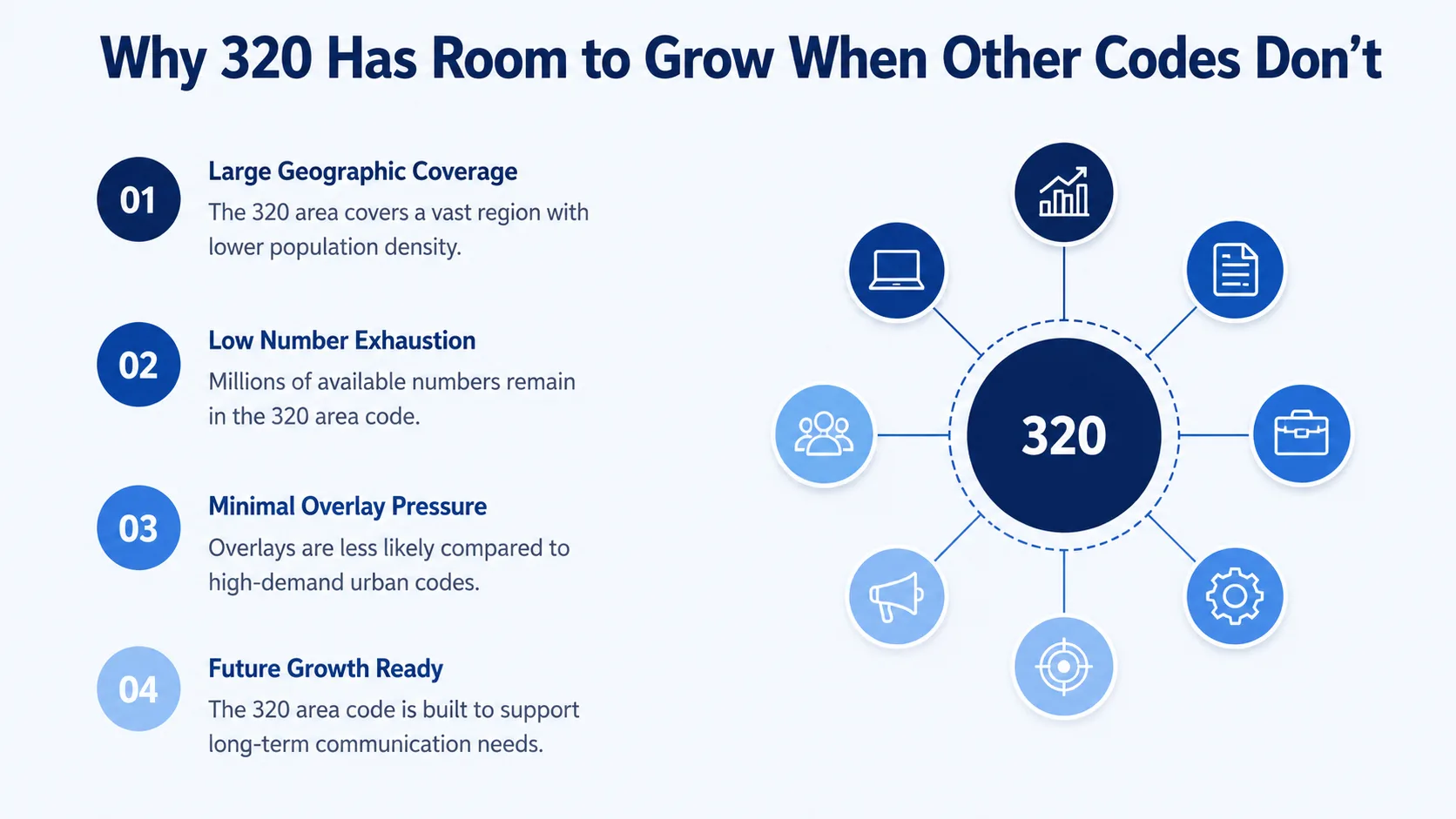
Most Minnesota area codes this old have already needed a second, overlapping code to keep issuing new numbers. The 320 area code hasn't, and that gap matters for anyone planning a long-term local presence here.
Younger Than Its Neighbors
Both neighboring prefixes date back to 1954, giving them roughly four extra decades of number assignments to work through. The 320 area code only started issuing numbers in 1996, so its pool of combinations is simply less used up.
What That Means Today
Because demand hasn't caught up to supply, new businesses can still get a clean, standard 320 number instead of getting routed into a newer overlay code — something customers in parts of southern Minnesota can no longer count on.
Conclusion
The 320 area code covers more cities, counties, and zip codes than any other prefix in Minnesota, tying together St. Cloud, Willmar, Alexandria, and dozens of smaller communities since 1996. Its relative youth compared to 218 and 507 means it still has open number capacity older prefixes have already used up, giving you the full picture whether you're screening a call or planning a local presence. Rozper makes setting up that local number fast — take the next step and see how quickly a presence comes together.
FAQs
Where is the 320 area code located?
The 320 area code covers central and west-central Minnesota, including St. Cloud, Willmar, Alexandria, Hutchinson, and Elk River. It reaches 148 cities across 29 counties, the widest footprint of any Minnesota prefix.
When was the 320 area code created?
NANPA put it into service on March 17, 1996, splitting it off from the original 612 area code. It was the fourth area code ever assigned in Minnesota.
Is a 320 area code number a scam?
Not by default. The vast majority of 320 calls come from real central Minnesota residents and businesses, though any area code can be spoofed by robocallers.
Can I get a 320 number without living in Minnesota?
Yes. Rozper lets you activate a local 320 number remotely, with calls routed to your existing team no matter where they're based.
What time zone does the 320 area code use?
The entire 320 region operates on Central Time, the same zone used across the rest of Minnesota.